Federal Sentencing Alternatives
Date: 2024-10-22
Category: Law helper
Online HTML Editor powered by CKEditor Online HTML editor user guideReal-time collaboration editor user guide Online HTML Editor Real-time collaboration editor Switch to WYSIWYG editor
The criminal justice system in the United States has long been a subject of intense scrutiny and debate. One of the most critical components of this system is sentencing. Federal sentencing, in particular, has been criticized for its rigidity and the harshness of its penalties, particularly for non-violent offenders. In recent years, there's been a growing emphasis on exploring alternatives to traditional federal sentencing that prioritize rehabilitation, reduce incarceration rates, and address the root causes of criminal behavior. This blog post delves into the various federal sentencing alternatives, their benefits, and the challenges they face.
Understanding Federal Sentencing

The Traditional Approach
Federal attorney sentencing has traditionally been guided by the Federal Sentencing Guidelines, which were established to create uniformity and fairness in sentencing. However, these guidelines have often been criticized for their lack of flexibility, particularly concerning non-violent and first-time offenders. Mandatory minimum sentences and the "three-strikes" law have contributed to mass incarceration and have disproportionately affected minority communities.
The Need for Reform
The need for reform in federal sentencing arises from the recognition that the existing system often fails to address the underlying issues that lead to criminal behavior. High recidivism rates, overcrowded prisons, and the significant financial burden on taxpayers are strong indicators that alternative approaches need to be considered.
Exploring Federal Sentencing Alternatives
Drug Courts
Drug courts are specialized court docket programs that target criminal defendants and offenders, juvenile offenders, and parents with pending child welfare cases who have alcohol and other drug dependency problems. These courts aim to reduce recidivism and substance abuse among offenders by providing access to comprehensive treatment and rehabilitation services.
Mental Health Courts
Mental health courts follow a similar model to drug courts but focus on individuals with mental health issues. These courts aim to address the mental health needs of offenders, offering treatment and support rather than incarceration. This approach helps reduce the criminalization of mental illness and provides a more humane and effective response.
Restorative Justice Programs
Restorative justice focuses on repairing the harm caused by criminal behavior through reconciliation with victims and the community. Programs often involve mediation processes where offenders take responsibility for their actions and work towards making amends. This approach emphasizes healing and community involvement, which can be more effective for certain types of offenses.
Probation and Community Service
Probation and community service are alternatives that allow offenders to serve their sentences outside of prison. These options provide opportunities for rehabilitation and reintegration into society. Offenders are often required to adhere to specific conditions and perform community service, contributing positively to their communities while serving their sentence.
House Arrest and Electronic Monitoring
House arrest and electronic monitoring offer another alternative to incarceration. Offenders are confined to their homes and monitored electronically to ensure compliance. This option can be less costly than imprisonment and allows offenders to maintain family ties and employment, reducing the negative impacts of incarceration.
Benefits of Federal Sentencing Alternatives
Reducing Overcrowding in Prisons
One of the most apparent benefits of adopting alternative sentencing methods is the reduction of overcrowding in prisons. By diverting non-violent offenders from incarceration, the burden on the prison system is alleviated, allowing resources to be focused on more serious offenders.
Cost-Effectiveness
Alternative sentencing options, such as probation, community service, and electronic monitoring, are generally more cost-effective than incarceration. They reduce the financial burden on taxpayers and allow funds to be redirected toward rehabilitation and prevention programs.
Promoting Rehabilitation and Reducing Recidivism
Alternative sentencing methods emphasize rehabilitation and address the root causes of criminal behavior. By providing offenders with access to treatment and support, the likelihood of reoffending decreases, creating safer communities in the long run.
Fostering Community Engagement
Programs like restorative justice promote community involvement and reconciliation, which can lead to stronger, more resilient communities. Offenders are given the opportunity to make amends and become productive members of society.
Challenges and Considerations
Balancing Accountability and Compassion
One of the primary challenges in implementing federal sentencing alternatives is finding the right balance between holding offenders accountable and providing compassion and support. Ensuring that justice is served while also addressing the needs of offenders requires careful consideration and planning.
Public Perception and Support
Gaining public support for alternative sentencing can be challenging, particularly in communities that prioritize punitive measures over rehabilitation. Educating the public about the benefits and effectiveness of these alternatives is crucial for successful implementation.
Ensuring Consistency and Fairness
As with any reform, ensuring consistency and fairness across the legal system is vital. There is a risk that alternative sentencing options could be applied inconsistently, leading to disparities in treatment and outcomes.
Resource Allocation
Implementing and maintaining alternative sentencing programs requires resources, including funding, trained personnel, and infrastructure. Ensuring that these resources are available and equitably distributed is essential for the success of these programs.
The Future of Federal Sentencing Alternatives
Legislative and Policy Changes
For federal sentencing alternatives to become more widespread, legislative and policy changes are necessary. This includes revisiting mandatory minimum sentences, providing funding for alternative programs, and creating legal frameworks that support these initiatives.
Ongoing Research and Evaluation
Continuous research and evaluation are necessary to assess the effectiveness of alternative sentencing methods. Data-driven insights can help refine these programs, ensuring they meet the needs of offenders, victims, and communities.
Collaboration Across Sectors
Successful implementation of federal sentencing alternatives requires collaboration between various sectors, including the judiciary, law enforcement, healthcare providers, and community organizations. Working together ensures a holistic approach to criminal justice reform.
Conclusion
Federal sentencing alternatives offer a promising path toward a more just and equitable criminal justice system. By focusing on rehabilitation, community involvement, and individualized responses to criminal behavior, these alternatives can reduce incarceration rates, promote healing, and create safer communities. While challenges remain, the potential benefits of embracing these approaches make them worthy of consideration and investment. As society continues to evolve, so too must our approach to justice, making federal sentencing alternatives an essential component of future reforms.
1Federal Tax Compliance
2Federal tax compliance is a crucial aspect of financial management for individuals, businesses, and organizations operating in the United States. Adhering to federal tax regulations ensures that entities contribute their fair share to government revenues, supporting public services and infrastructure. This comprehensive guide delves into the various components of federal tax compliance, offering insights and strategies to navigate this complex terrain effectively.
3Understanding Federal Tax Compliance
4Federal tax compliance involves adhering to the Internal Revenue Code (IRC) and regulations set forth by the Internal Revenue Service (IRS). It encompasses timely filing of tax returns, accurate reporting of income, proper calculation of tax liabilities, and prompt payment of taxes owed. Compliance is mandatory for individuals, corporations, partnerships, and other entities subject to federal taxation.
5Importance of Federal Tax Compliance
6Complying with federal tax laws is not only a legal obligation but also essential for maintaining financial integrity and avoiding penalties. Non-compliance can result in fines, interest charges, and legal consequences. Moreover, maintaining a good compliance record enhances an entity's reputation, fostering trust with stakeholders and facilitating smoother business operations.
7Key Components of Federal Tax Compliance
8-
9
- Tax Filing: Meeting deadlines for filing tax returns is fundamental. Late filings can incur penalties. Different entities have varying deadlines; for instance, individual tax returns are typically due by April 15th each year, whereas corporations may have different deadlines. 10
- Tax Payments: Ensuring timely tax payments is crucial. This includes estimated tax payments throughout the year for those who do not have taxes withheld from their income. Late payments can result in interest and late fees. 11
- Record Keeping: Maintaining accurate and detailed records is essential for substantiating income, deductions, and credits claimed on tax returns. The IRS requires taxpayers to keep records for several years in case of an audit. 12
- Reporting Requirements: Complying with various reporting obligations, such as issuing W-2s or 1099s, is critical. These documents must be submitted to both the IRS and the individuals or entities involved. 13
Federal Tax Compliance for Individuals
15Individuals must be diligent about understanding their tax obligations, as personal income tax is a significant component of federal revenue.
16Filing Status and Tax Rates
17Choosing the correct filing status (e.g., single, married filing jointly, head of household) impacts tax rates and eligibility for deductions and credits. Understanding the tax brackets and rates applicable to your income is essential for accurate tax calculations.
18Deductions and Credits
19Taking advantage of allowable deductions and tax credits can reduce taxable income and overall tax liability. Common deductions include mortgage interest, student loan interest, and medical expenses. Credits such as the Earned Income Tax Credit (EITC) and Child Tax Credit (CTC) directly reduce the amount of taxes owed.
20Retirement Contributions
21Contributing to retirement accounts like IRAs and 401(k)s can offer tax advantages. These contributions may be tax-deductible, and the growth in these accounts can be tax-deferred, providing long-term tax benefits.
22Federal Tax Compliance for Businesses
23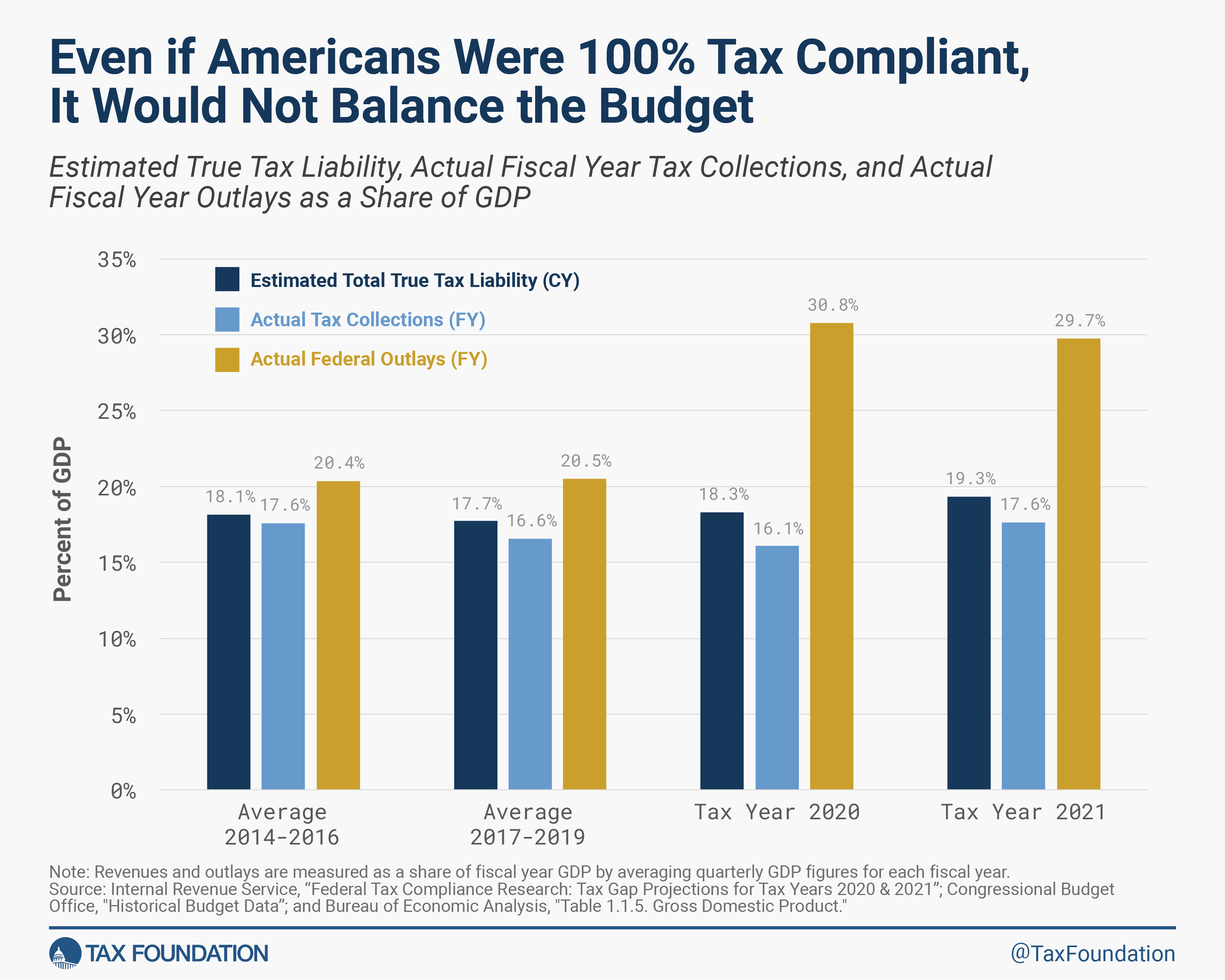
Businesses face a more complex set of compliance requirements, involving a variety of taxes and obligations.
Clean HTML output on the go Here are the 2 different editors available on this website: • with direct access to edit HTML markup, • with real-time collaboration. With both editors, you can create clean HTML output with the easiest WYSIWYG editing possible. If you've already started writing rich-text content, all you have to do is paste it in onlinehtmleditor.dev, make your adjustments, extract HTML output from view-source mode and reuse it anywhere on the web! More on CKEditor 5 Easy HTML editing CKEditor 5's HTML source code editing feature allows it to be used as an online HTML editor. It includes syntax highlighting to make it easier for you to follow code. It can be forced to accept any type of code includingtags by simply turning off the HTML filtering. You can also switch to WYSIWYG mode anytime to check how your code output looks! Clean your HTML code For situations where you would like to clean and fix up invalid HTML, you can use CKEditor 5's source code editing feature as well. After switching to source code mode, all you have to do is to paste in your HTML and CKEditor 5 will automatically fix it. You can again switch back and forth to WYSIWYG mode anytime to edit content more easily. Convert Word document and Google Docs to HTML CKEditor 5 has excellent copy-paste with constant improvements. Whether you are copy-pasting from Google Docs, Word, Excel or LibreOffice, CKEditor will get you your exact content. This makes it better than any ordinary tool to turn your existing Word and Google Docs and LibreOffice documents to HTML. Simple as, paste your content, and click source code mode to see the HTML output. Collaborative writing If you're looking for an alternative to Google Docs real-time collaboration, but you also need HTML output, CKEditor 5 is a go! You can use it to comment on selected parts of the content, text, images, tables or suggest edits with its track changes feature. To collaborate with your colleagues or friends all you have to do is to share the link. Each time you load the page, a special document ID gets attached to the URL. Each document ID and its content stays active for an hour after the last user disconnects from it so you do not immediately lose your content. Also, there isn't a limit for the number of collaborators! Collaboration makes it easier to create your content quickly and efficiently. With CKEditor 5, where you write, comment, discuss and proofread the content are unified so you don't lose time switching between applications to edit and discuss. If some of your collaborators prefer Markdown, CKEditor 5 has you covered there too! Learn about CKEditor 5 collaboration features Why CKEditor? WYSIWYG editors in your software often misbehave. This is usually because they are out-of-date or simply are not reliable. Unfortunately, many developers opt for simple, lightweight, do-it-yourself-editors based on assumptions without doing proper research or testing for their individual use case. This leaves the end users frustrated. However, both CKEditors are built with 16 years of experience in WYSIWYG rich-text editing by a team of 40+ developers. We consistently listen to user concerns, trends, new feature requests to help us build our editors. Architectures that can handle complex structures and the constant improvements makes the editors stronger than any other examples. The best WYSIWYG Online HTML editor around What sets CKEditor apart from other online HTML tools is its originality! There are many websites and articles that include lists of best online HTML editors. What these listicles won't tell you is that although they have different names, many of the mentioned tools are simple implementations of CKEditor! Now you've found the original online HTML editor! Whether you are looking for a quick online solution or to implement the editor in your own software, CKEditor will always provide you the latest and greatest WYSIWYG features. But if you are looking for some guidance on deciding which editor is the best for you, we can also help with that! How to choose the perfect editor Online HTML editor features This section presents a whole variety of features that CKEditor has to offer Styling and Formatting The Basic Styles plugin provides the ability to add some basic text formatting to your document. It adds the Bold, Italic, Underline, Strikethrough, Subscript and Superscript toolbar buttons that apply these styles. If you want to quickly remove basic styles from your document, use the Remove Format button provided by the Remove Format plugin. Copy Formatting The optional Copy Formatting plugin provides the ability to easily copy text formatting from one place in the document and apply it to another. To copy styles, place your cursor inside the text (or select a styled document fragment) and press the button or use the Ctrl+Shift+C keyboard shortcut. Removing Text Formatting The Remove Format plugin provides the ability to quickly remove any text formatting that is applied through inline HTML elements and CSS styles, like basic text styles (bold, italic, etc.), font family and size, text and background colors or styles applied through the Styles drop-down. Note that it does not change text formats applied at block level.. Autoformatting The Autoformat feature in CKEditor 5 allows you to quickly apply formatting to the content you are writing. While it can be customized, by default it can be used as an Markdown alternative. For example you bold by typing **text** or __text__ , create bulleted lists with * or -, create headings with #, ## or ###. Block-Level Text Formats The Format plugin provides the ability to add block-level text formatting to your document. It introduces the Paragraph Format toolbar button that applies these text formats. The formats work on block level which means that you do not need to select any text in order to apply them and entire blocks will be affected by your choice. Tables This plugin adds the Table Properties dialog window with support for creating tables and setting basic table properties, such as: number of rows and columns, table width and height, cell padding and spacing, table headers setting, table border size, table alignment on the page and table caption and summary. Inserting Images The default Image plugin supports inserting images into the editor content. This plugin supports left and right alignment. It also allows setting image border as well as pixel-perfect alignment (by setting the horizontal and vertical whitespace). Links can be added to an image easily from the Image Properties dialog. A file manager such as CKFinder can be integrated for image upload and storage support. Pasting Content from LibreOffice The Paste from LibreOffice plugin allows you to paste content from LibreOffice Writer and maintain original content structure and formatting. Pasting Content from Google Docs The Paste from Google Docs plugin allows you to paste content from Google Docs and maintain original content structure and formatting. Pasting Content from Microsoft Excel The Paste from Word plugin allows you to also paste content from Microsoft Excel and maintain original content structure and formatting. Pasting Content from Microsoft Word The Paste from Word plugin allows you to paste content from Microsoft Word and maintain original content structure and formatting. It automatically detects Word content and transforms its structure and formatting to clean HTML. Code Snippets This plugin allows you to insert rich code fragments and see a live preview with highlighted syntax. Its original implementation uses the highlight.js library, but the plugin exposes a convenient interface for hooking any other library, even a server-side one. Embedding Media Resources The Media Embed plugin allow to embed resources (videos, images, tweets, etc.) hosted by other services (like e.g. YouTube, Vimeo, Twitter) in the editor. Online HTML WYSIWYG Editor © 2024 - all rights reserved.Terms of usePrivacy PolicyCookies policy